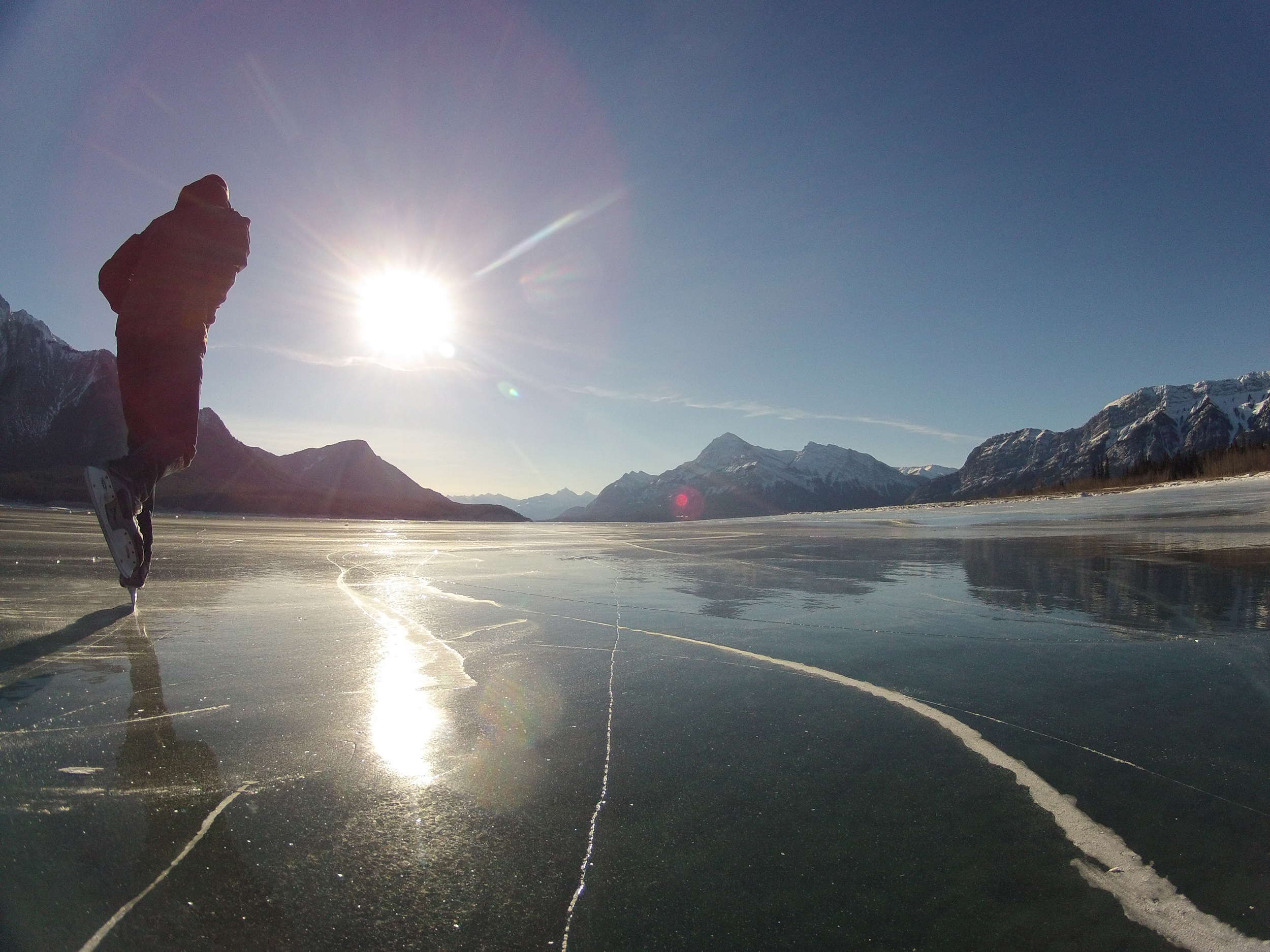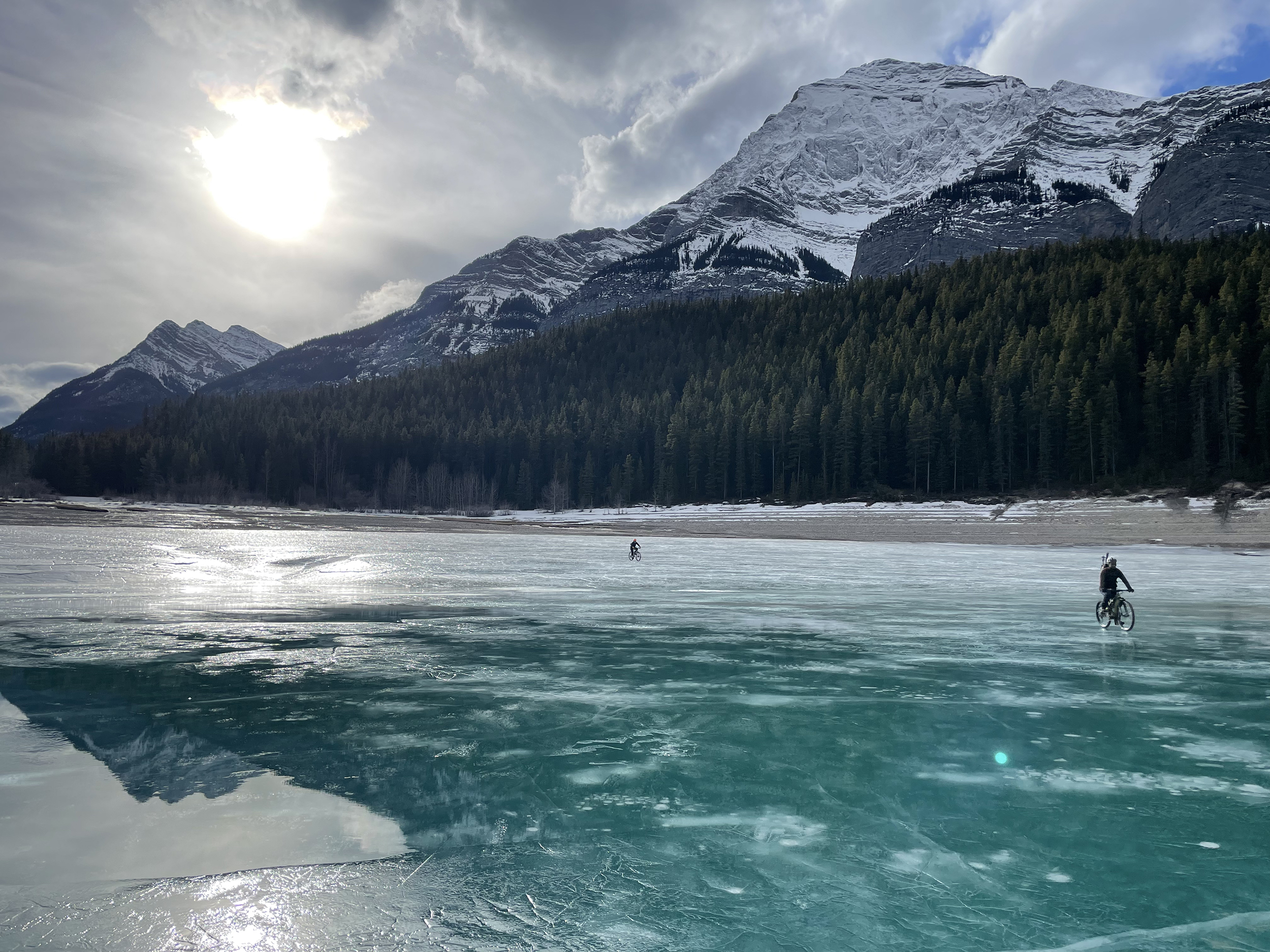
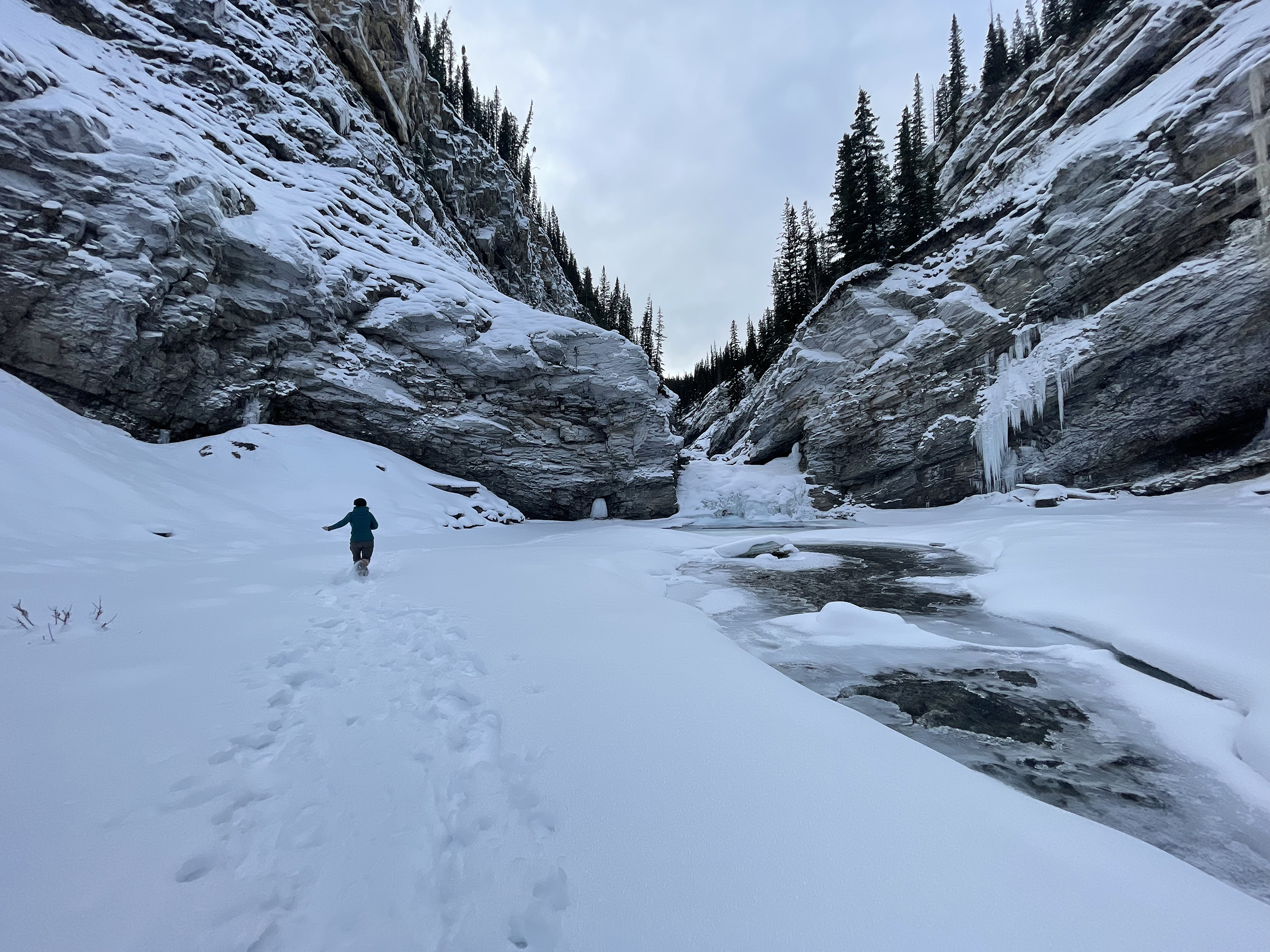
The Kootenay Plains Ecological Reserve, located west of Nordegg at the mouth of Abraham Lake in the North Saskatchewan River Valley, is one of Alberta’s largest and most pristine montane regions. Nestled within the front ranges of the Rocky Mountains, it features rare grasslands and diverse natural forests that make it one of the warmest and driest areas in the Canadian Rockies. This unique ecosystem supports a rich array of biodiversity and serves as a vital winter habitat for elk, mule deer, and Rocky Mountain bighorn sheep.
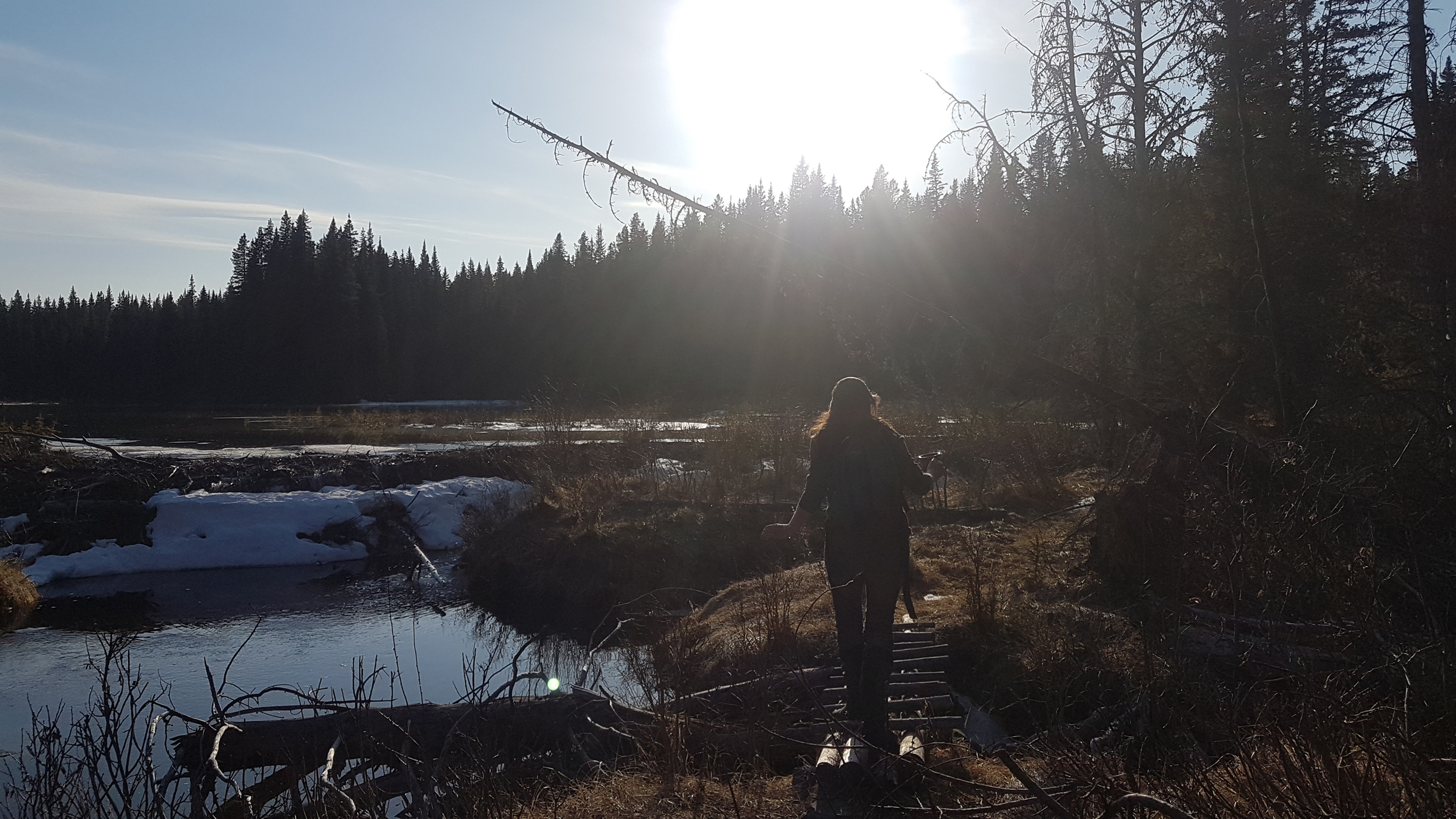
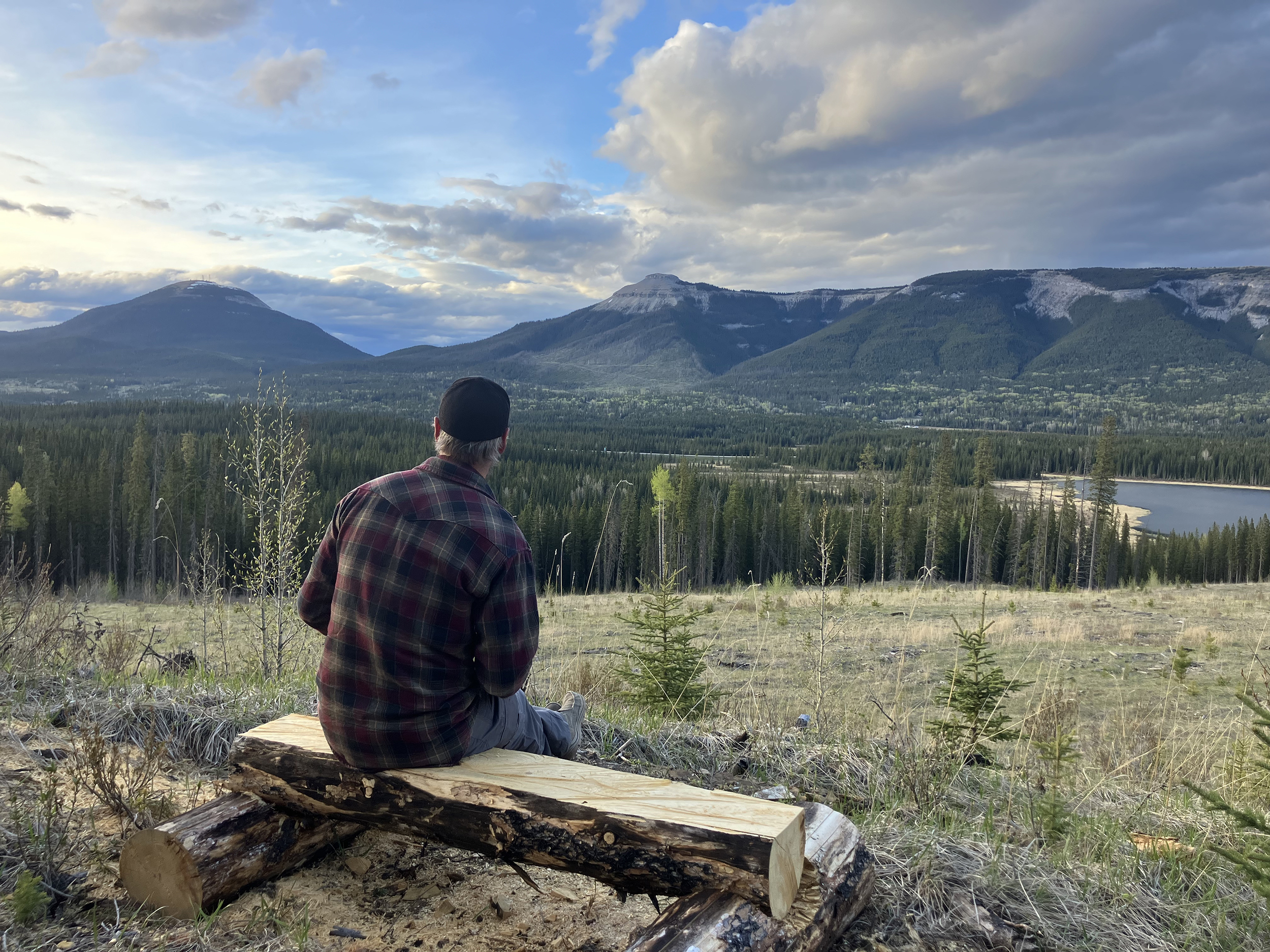
In spring, the Kootenay Plains Ecological Reserve awakens with fresh growth and renewed energy across its grasslands and forests. Located west of Nordegg at the mouth of Abraham Lake, this unspoiled montane region is one of Alberta’s warmest and driest natural areas, sheltered by the front ranges of the Rocky Mountains. As snow melts and temperatures rise, wildflowers begin to bloom and wildlife becomes more active. Elk, mule deer, and bighorn sheep return to graze, making spring a season of transition and abundance in this biodiverse and ecologically vital landscape.
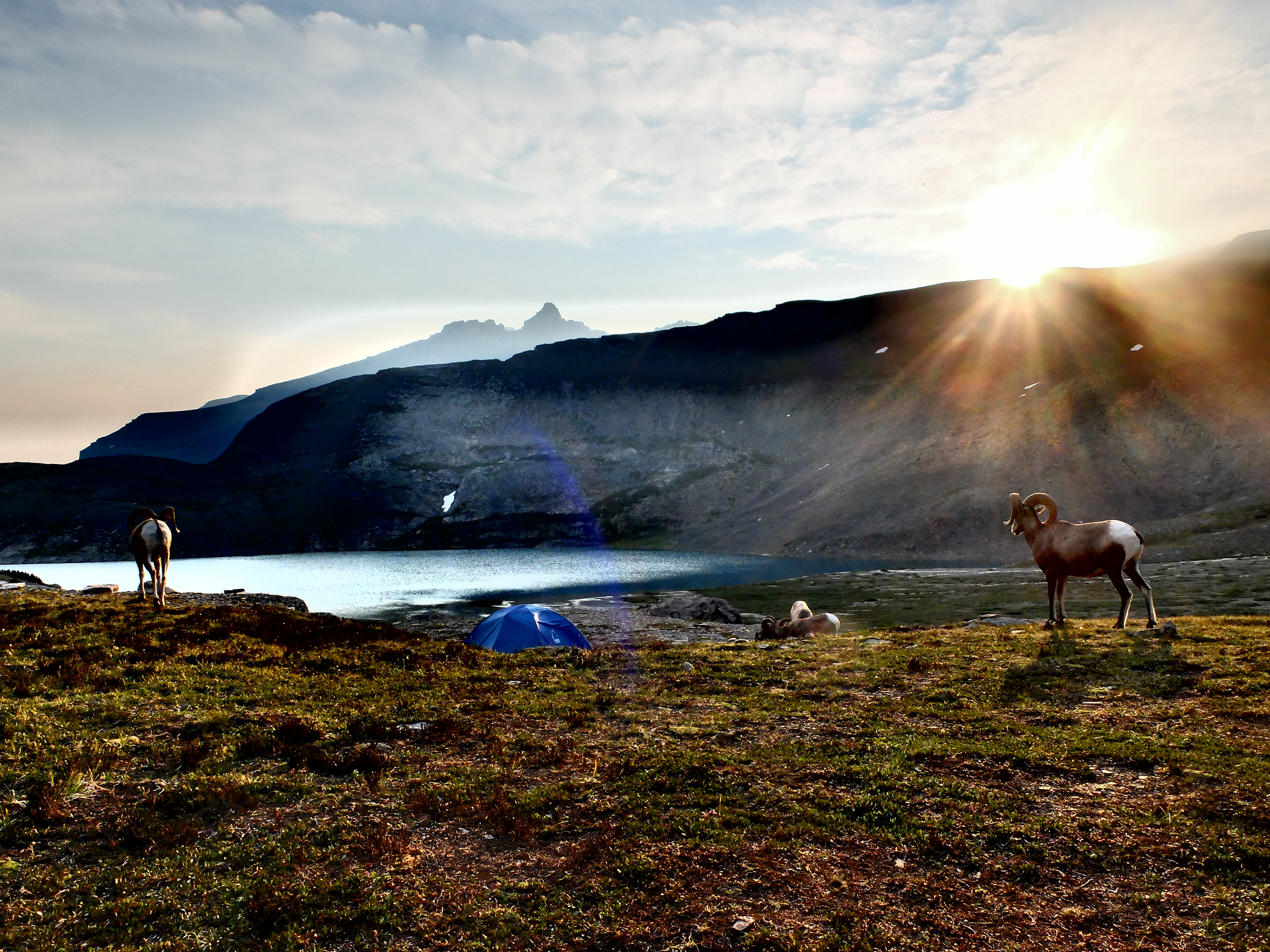
In summer, the Kootenay Plains Ecological Reserve bursts with life, offering a vibrant display of Alberta’s natural beauty. Located west of Nordegg at the mouth of Abraham Lake, this pristine montane region lies within the front ranges of the Rockies and remains one of the warmest and driest areas in the Canadian Rockies. Its grasslands and forests thrive under the summer sun, attracting a wide range of wildlife. The season brings an abundance of activity, with elk, mule deer, and Rocky Mountain bighorn sheep frequently spotted throughout the area, taking advantage of the rich vegetation and open terrain.
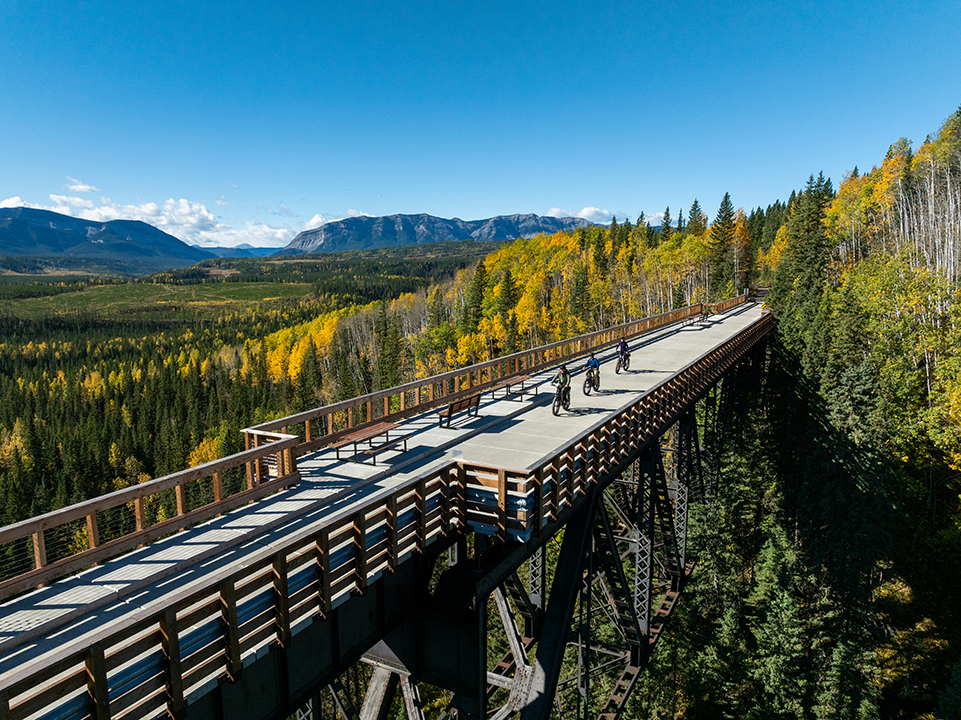
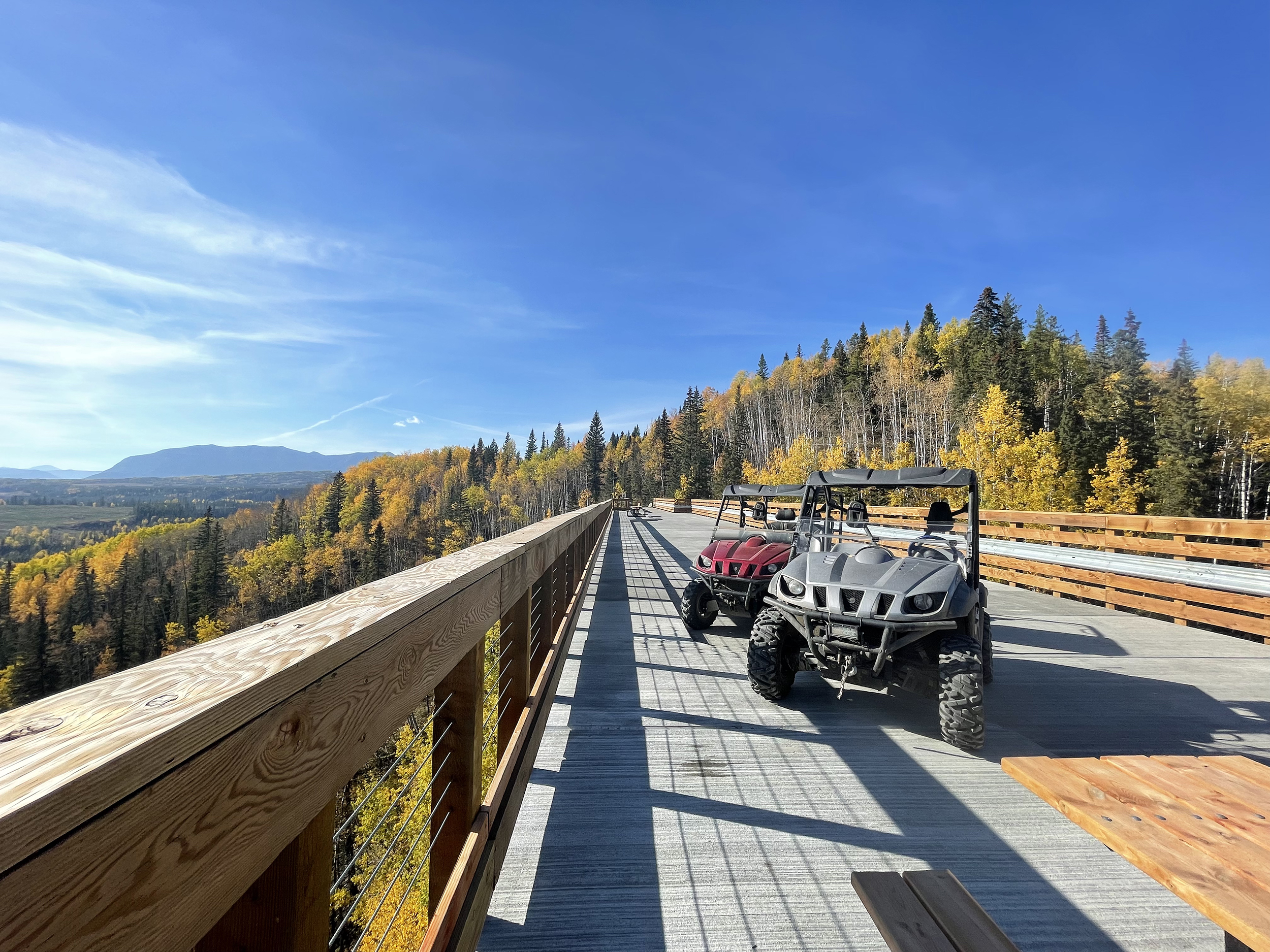
In fall, the Kootenay Plains Ecological Reserve transforms into a landscape of golden hues and crisp mountain air. Located west of Nordegg at the mouth of Abraham Lake, this protected montane region stands out as one of Alberta’s warmest and driest areas within the Rocky Mountains. As the season changes, the grasslands and forests shift into their autumn colours, creating a striking contrast against the rugged peaks. Wildlife activity intensifies during this time, with elk, mule deer, and Rocky Mountain bighorn sheep preparing for the coming winter, making it a prime season for wildlife viewing and quiet reflection in nature.