
A Historical Timeline of the
North Saskatchewan River Valley
From its ancient source of melt waters at the Hydrological Apex of Canada to its winding journey through the Bighorn, the Upper North Saskatchewan River is more than a waterway—it is a corridor of history. From the first peoples who thrived on the plains to European explorers and settlers who mapped, traversed and named its features, this landscape has shaped and been shaped by generations. The following timeline weaves together stories of resilience, discovery, and transformation along this storied valley.
Pre-Contact Era
Tribes of the Plains & the Bighorn Region
Long before maps and borders, the Kootenay Plains surrounding the North Saskatchewan River were home to Indigenous Peoples, including the Ktunaxa Nation. These Nations gathered medicinal plants, passed down oral histories tied to sacred places, and followed seasonal bison migrations—an animal that provided food, shelter, tools, and a spiritual connection to the land. Their deep knowledge of the landscape, climate, and wildlife sustained thriving cultures for millennia.
1700s
Indigenous Trade Routes & Cultural Crossroads
As a natural highway and life-giving artery, the river valley was part of a vast trade network stretching from the plains into the mountain passes. The Kootenay Plains were a known gathering site for trade, ceremony, and kinship alliances with connections westward over the Rockies into the Columbia Valley.
1780s–1811
David Thompson.
Mapmaker & Visionary
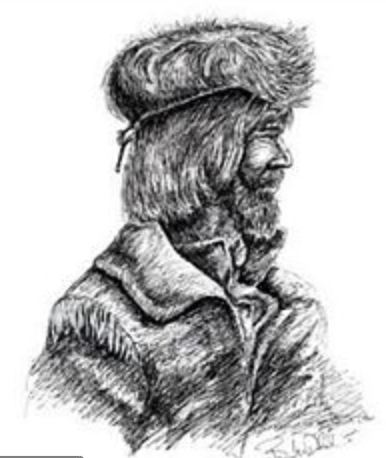
Often called “the greatest land geographer who ever lived,” David Thompson of the North West Company arrived in the late 1700s, venturing across the northern Rockies and the river valleys that feed them. By 1811, Thompson had mapped over 3.9 million square kilometres of western North America, including large stretches of the North Saskatchewan. Guided by native knowledge and his own relentless spirit, the depth and accuracy of Thompson’s work endures as his legacy to this day.
In June 1807, Thompson carried his sextant, chronometer, and surveying gear up the North Saskatchewan River, following an ancient trail through Howse Pass. From that high corridor he mapped the Columbia headwaters—sketching ridges and rivers—and recorded not only precise coordinates but also Indigenous place-names and campsites. This blend of European surveying and ancient knowledge makes his maps true cartographic masterpieces.
Led by Captain John Palliser, this British scientific expedition aimed to evaluate settlement prospects and potential railway routes across the Canadian West. The expedition travelled through key valleys and mountain passes, noting the potential of Howse Pass, laying groundwork for future exploration and eventually, the Canadian Pacific Railway.
James Hector, a geologist and naturalist on the team, surveyed the terrain west of Nordegg. Upon reaching the upper North Saskatchewan, he climbed Pine Point (now Whirlpool Point) for a bird’s-eye view of the Kootenay Plains.
In 1859, Hector returned via a First Nations trail up the Pipestone River and over Pipestone Pass, then descended along the Siffleur River—which he named for the whistling marmots along the trail—into the wide open valley of the North Saskatchewan. Local First People’s guides were crucial to the success of these explorations, offering deep knowledge of terrain, wildlife, and seasonal patterns, while Hector’s journals vividly capture both the awe and hardship of traversing Alberta’s wild terrain.
1857–1860
The Palliser Expedition & James Hector

Late 1800s
Silas Abraham.
Life on the Plains
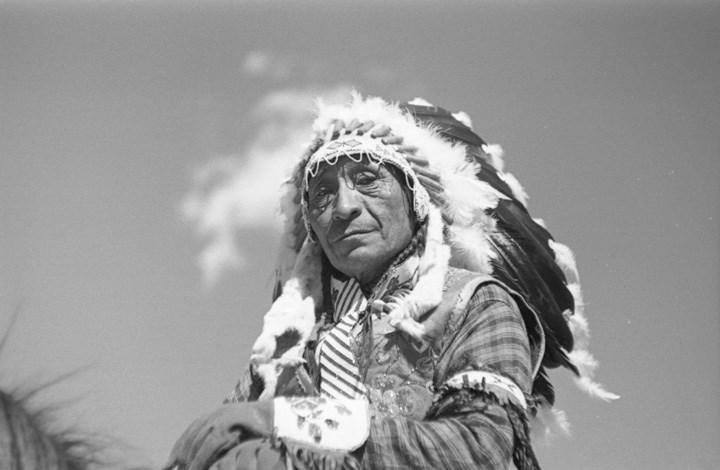
A man of Stoney Nakoda heritage, Silas Abraham represents the enduring connection between Indigenous life and a changing landscape. Born into a time of great transition, he lived a traditional life rooted in the rhythms of the land. The Abraham family became prominent figures maintaining strong ties to their homelands while adapting to an increasing settler presence and the shifting realities of the reserve system and ranching.
Oral histories recall Silas as a respected guide—leading Mary Schäffer during her explorations and later assisting Martin Nordegg. Mount Abraham and Abraham Lake stand as lasting tributes to Silas and his family, honoring their connection to the land where they hunted, trapped, and lived for generations.
Early 1900s
Arrival of the
Mountain Adventurers
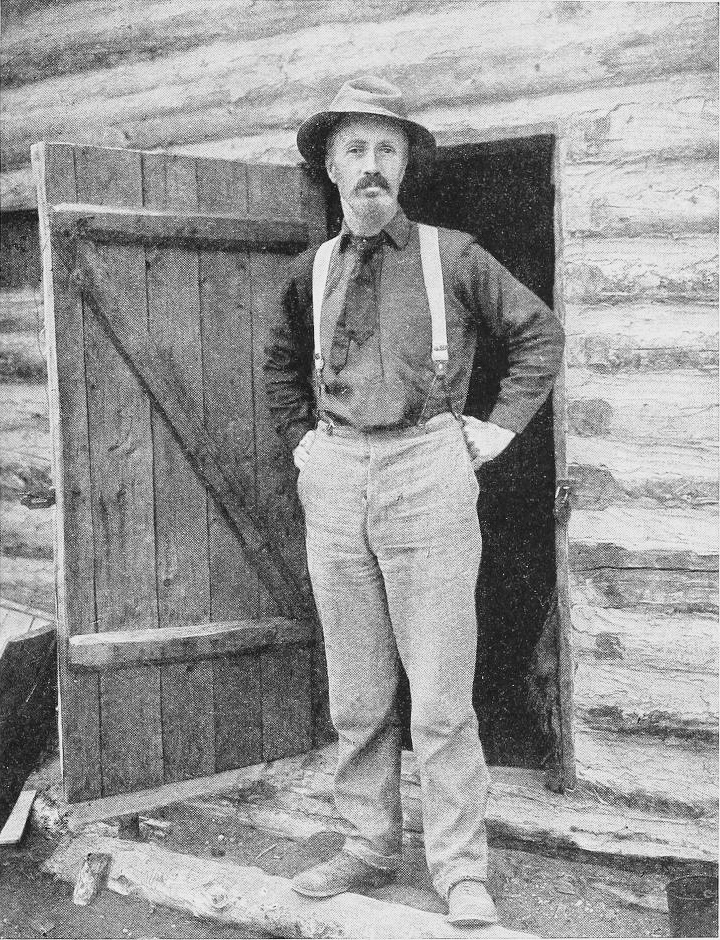
TOM WILSON
A seasoned railway surveyor for the Canadian Pacific Railway and legendary packer, is best known for his guiding & outfitter work out of Banff. In the winter of 1902–03, Wilson established the Powderhorn Ranch near the confluence of Whiterabbit Creek and the North Saskatchewan River, where he wintered his own horse herd and those of other outfitters. He remained on the plains for eight years. Many early guides cut their teeth under Wilson, whose deep knowledge of the terrain—gained through close collaboration with Stoney Nakoda guides—made him a key figure in opening the region to exploration. His namesake, Mt. Wilson, and its prominent glacier stand guard over the historic Saskatchewan Crossing.
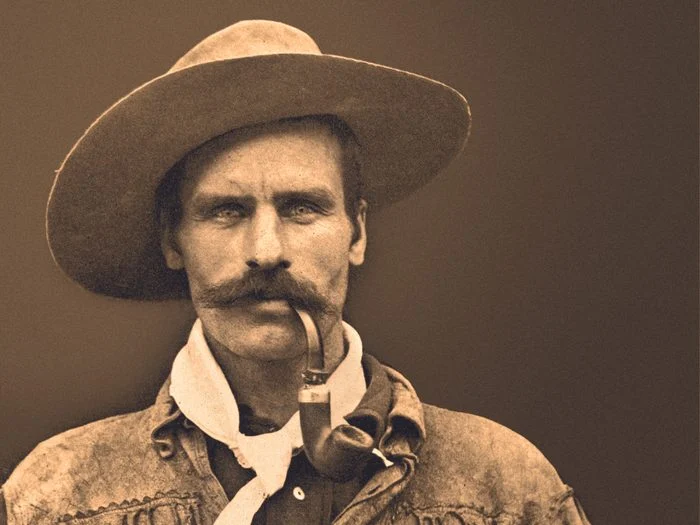
‘WILD’ BILL PEYTO
Perhaps the most colourful of the early mountain men, was a British-born outfitter and trapper who became synonymous with the wilder corners of Alberta’s high country. Known for his dramatic moustache and solitary lifestyle, Peyto earned a reputation as an exceptional trail guide—leading parties of climbers, scientists, and royalty through some of the most hazardous terrain with skill and determination. Peyto frequently used the Kootenay Plains as a base camp, calling it “the last good place” before the true wilderness began. The picture perfect Peyto Lake was named in his honour—reportedly because he would retreat there for solitude, famously remarking, “It’s just too crowded around here for me.”
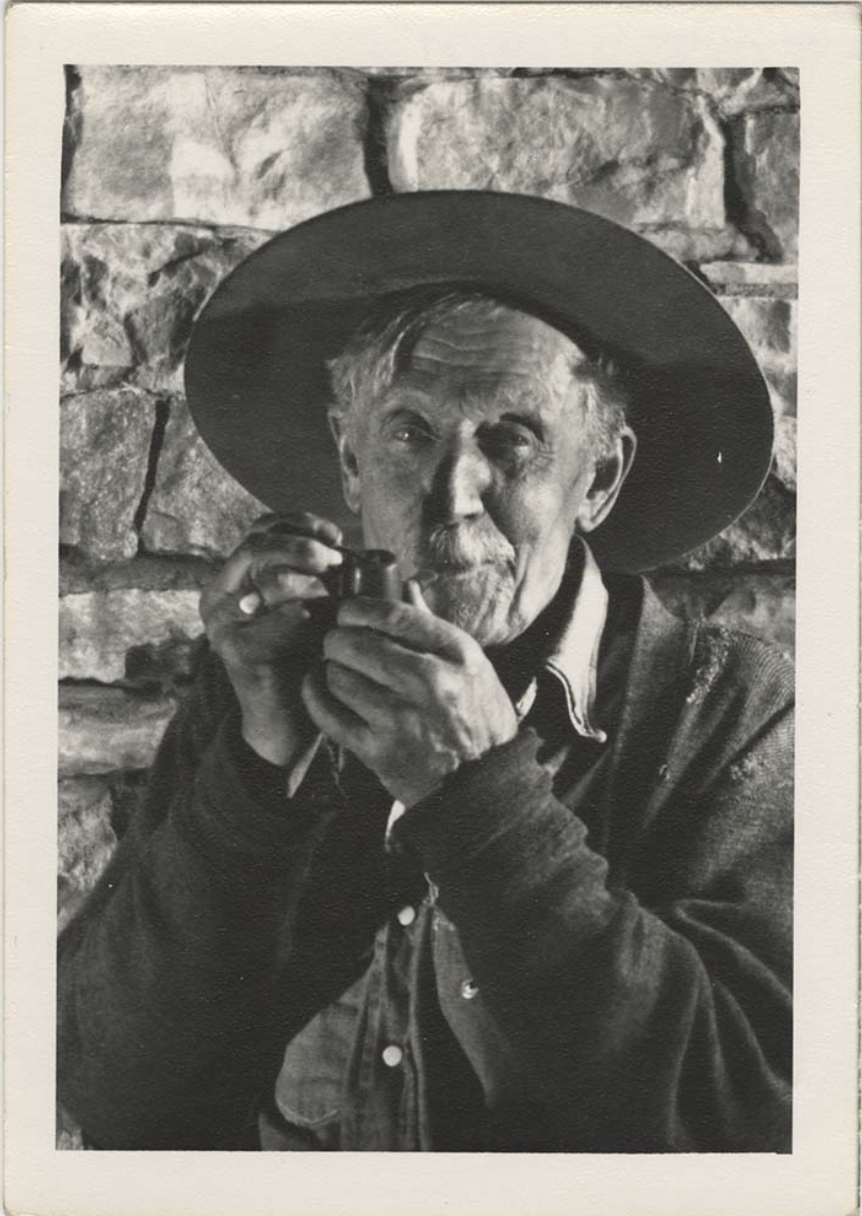
JIMMY SIMPSON
Before establishing the iconic Num-Ti-Jah Lodge on the shores of Bow Lake, Simpson began his mountain career as a camp cook for Tom Wilson’s outfitting parties. He quickly rose through the ranks, learning the guide trade from seasoned mountain men.
In 1902, while working under Peyto, he was entrusted with leading Sir James Outram’s climbing expedition into the headwaters of the North Saskatchewan River and the Columbia Icefield. Over more than four decades of guiding, Simpson’s storytelling, hospitality, and intimate knowledge of alpine terrain helped lay the foundation for mountain culture in Alberta’s central Rockies.
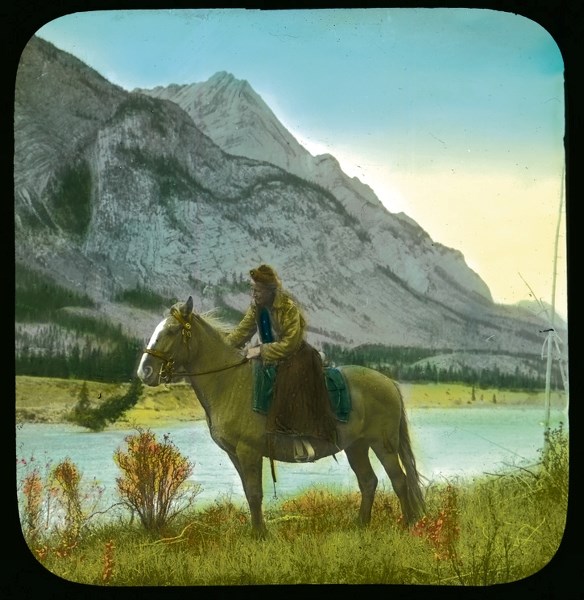
MARY SCHAFFER
An accomplished artist, writer, and explorer, Schäffer brought a singular perspective to early Rocky Mountain travel. Over the Summers of 1905-1906-1907, she descended through the Siffleur wilderness to camp on the Kootenay Plains. Of the region, she wrote, “To see the Plains at their best, one should come over the Pipestone trail in August, and look down on the scene from the rolling hills to the South… Here the air is sweeter, dryer, and softer than anywhere I know, and here the world could easily be forgotten and life pass by in a dream.”
On her final trip, guided by a map from Samson Beaver and a tip from Jimmy Simpson, she led an ambitious expedition up the North Saskatchewan River in search of Maligne Lake. Her route forded the historic Saskatchewan Crossing, long used by First Nations travellers, fur traders, and explorers heading toward Howse Pass.
Schäffer’s journals, photographs, and botanical work captured both the stark beauty and cultural richness of the region. Her final evening on the plains was spent at a dinner in Elliott Barnes’ cabin, joined by fellow travellers, Stoney Nakoda women, and respected guides Silas Abraham and Samson Beaver.
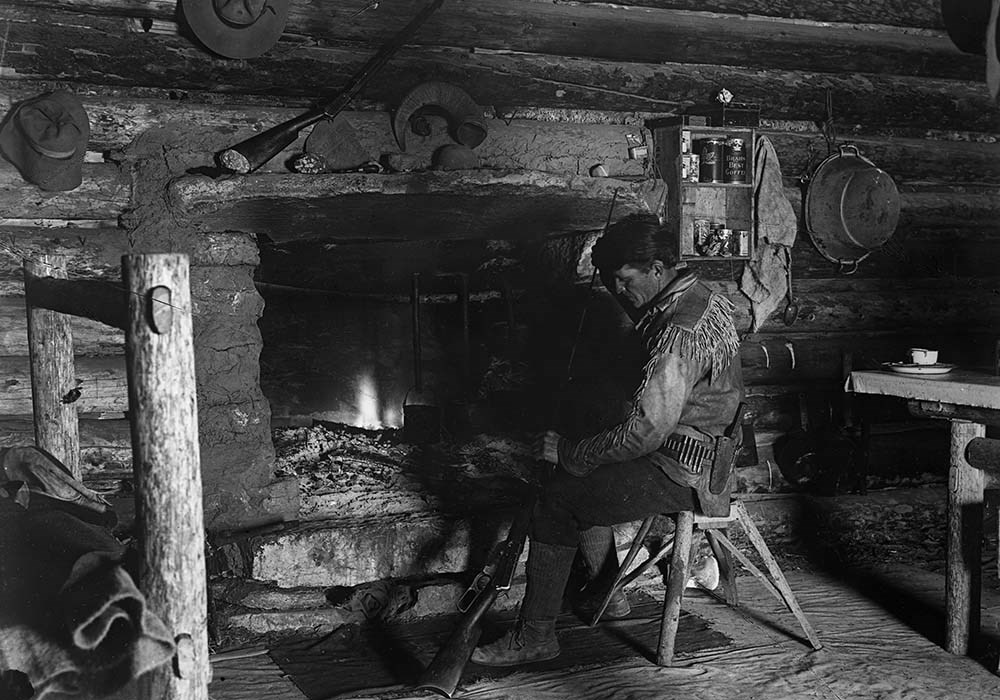
ELLIOT BARNES
Often overlooked in the history of Rocky Mountain exploration, was a trapper, prospector, rancher, guide, and photographer who played a key role in navigating the remote Kootenay Plains and the headwaters of the North Saskatchewan River. Using Indigenous trail systems, he regularly traveled through Howse Pass and contributed early maps that aided later surveys. His journals, detailing extended stays near the Siffleur junction, offer rare insights into local ecology and early exploration impacts.
After immigrating to Canada, the Barnes family homesteaded on the Kootenay Plains, where Elliott briefly raised Clydesdale at his Kadoona Tinda Ranch before running an outfitting business serving the Alpine Club of Canada. Though not a mountaineer, his bushcraft opened access to previously undocumented valleys.
1907-1955
Martin Nordegg &
the Brazeau Collieries
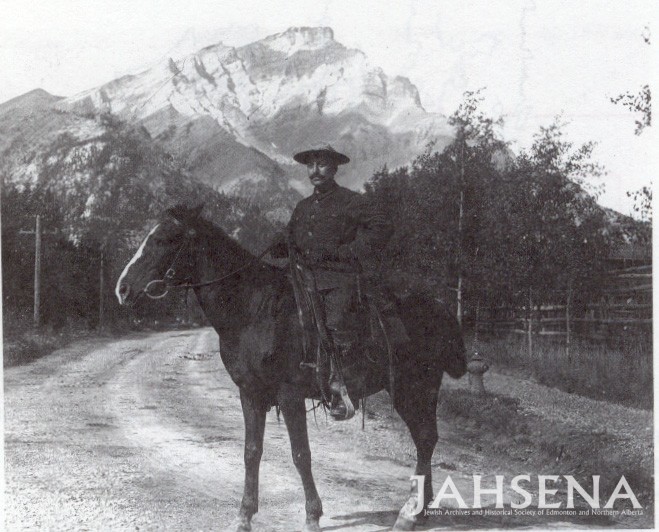
A visionary German entrepreneur, Martin Nordegg arrived with dreams of coal and community. Recognizing the coal potential of the Bighorn & Brazeau valleys early, he staked thousands of hectares of mineral claims in 1907. Securing the capital to develop such a remote landscape proved challenging, but in 1909 Brazeau Collieries Ltd. was formed with the backing of Canadian Northern Railway leaders.
While travelling toward Rocky Mountain House in the spring of 1910, an exposed coal seam near present-day Nordegg was noted — a chance encounter that accelerated plans for development within the Nordegg Coal Basin. By the winter of 1911–1912, the first mine was established, and a new industrial community began to take shape in the foothills.
Yet, Martin Nordegg’s deeper legacy lies in his forward-thinking values — cooperation with Indigenous guides, a respect for the wild beauty that surrounded him, and leading the community to become a vibrant, multicultural hub, including European immigrants and local Indigenous workers.
Though forced to leave Canada during World War I due to his German heritage, the town still bears his name, leaving a lasting mark on the region’s economy and identity.
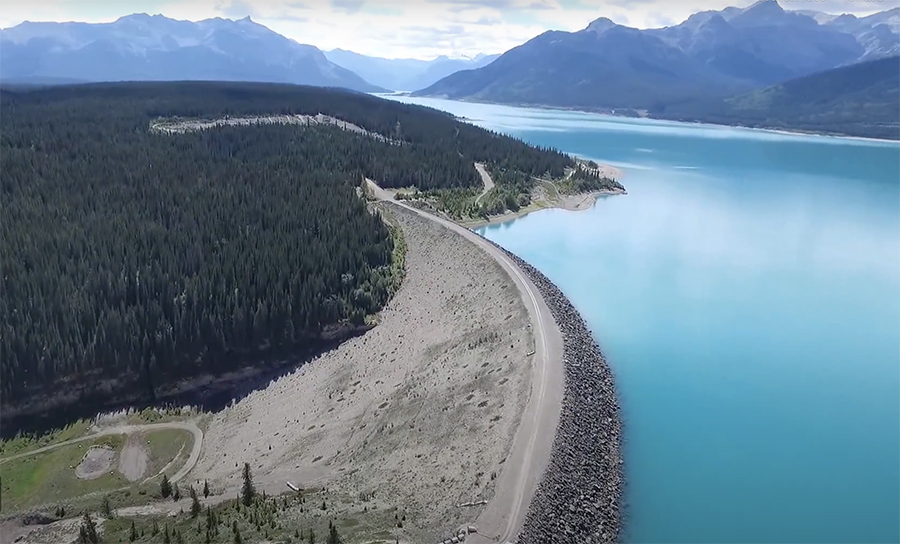
Though artificial, the reservoir is a stunning example of the meeting of human intention and natural beauty. With its popular winter ice bubbles and turquoise glacial tones, the lake has become a beacon for photographers and outdoor enthusiasts. Yet beneath its surface lies a layered history—of land, livelihood, and the people whose lives were transformed by its creation.
As part of a hydroelectric project, the North Saskatchewan River was dammed by the Bighorn Dam. While the project displaced many traditional sites, the lake stands today as a symbol of change—highlighting the tensions between industrial development and cultural preservation.
1972
Abraham Lake.
A Man-Made Monument
Today
Stewardship & Reconnection
From the bison trails to the explorer’s maps, from Native guides to settler communities, the North Saskatchewan River Valley continues to be a place of convergence—shaped by First Nations knowledge, mountain exploration, and industrial ambitions of the past. Through David Thompson’s trailblazing journeys to Mary Schäffer’s artistic legacy and Martin Nordegg’s coal empire, the valley tells a story of interconnected lives and landscapes.
Today, the Bighorn region remains a place of striking natural beauty and ecological importance. Its rugged terrain draws hikers, hunters, and campers, while conservation efforts work to protect the area’s rich biodiversity and cultural heritage. As both a living landscape and a historical crossroads, it stands as a testament to resilience, discovery, and the enduring spirit of those who have called it home.